an expedition club, for adventurous people who live intentionally.
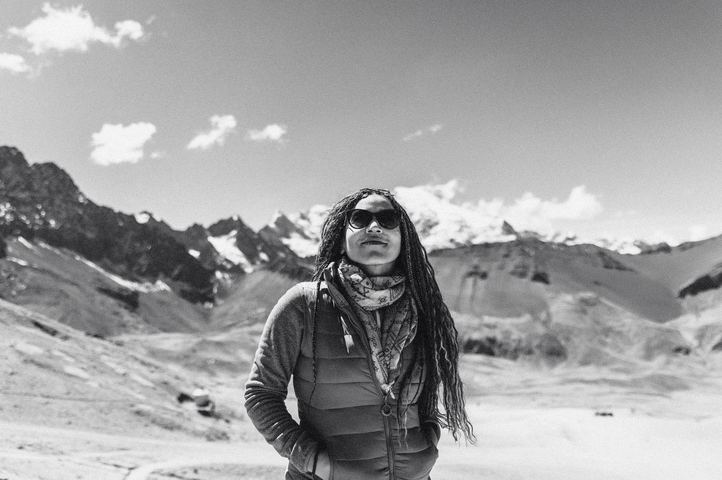
A trekker in sunglasses and a scarf, peaks behind, in black and white

Humans & Giants is for the people who consciously make the choice to move away from autopilot of everyday life.

The ones who seek the limits of their comfort and knowledge to find out what’s on the other side.

The kind who doesn’t go somewhere just for the destination, but being curious about ecosystem that surrounds them.

So we curated an expedition experience, that

Gathers a small group of like-minded people who love a good challenge.

Cares about the trip prep as much as the trip itself.

Is aware of your mind as much as your body on the mountain.

Is in the company of certified local guides who truly know and love these places.

Is conscious of our stewardship of the natural environment.

Because living intentionally means being fully present for all of it.
Join the founding expedition.
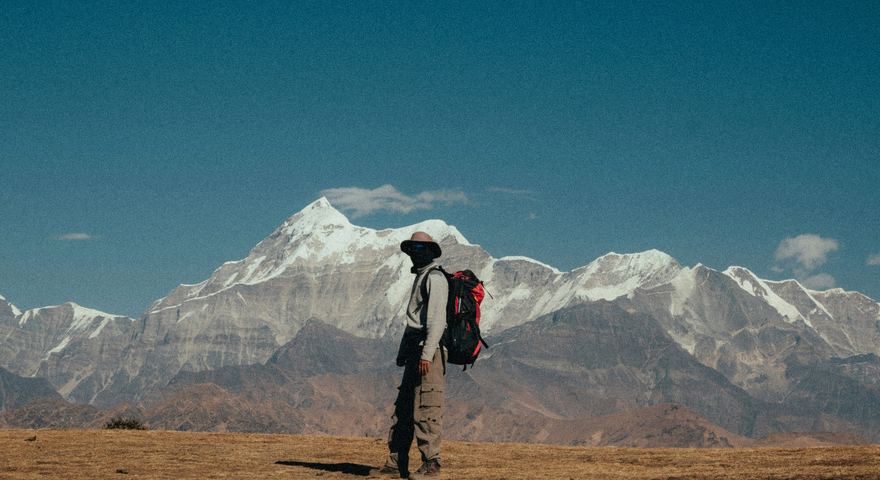
A trekker standing alone on open ground before a wall of snow peaks

Everest Base Camp

Himalayas, Nepal

27 March – 10 April 2027 Crew of 8

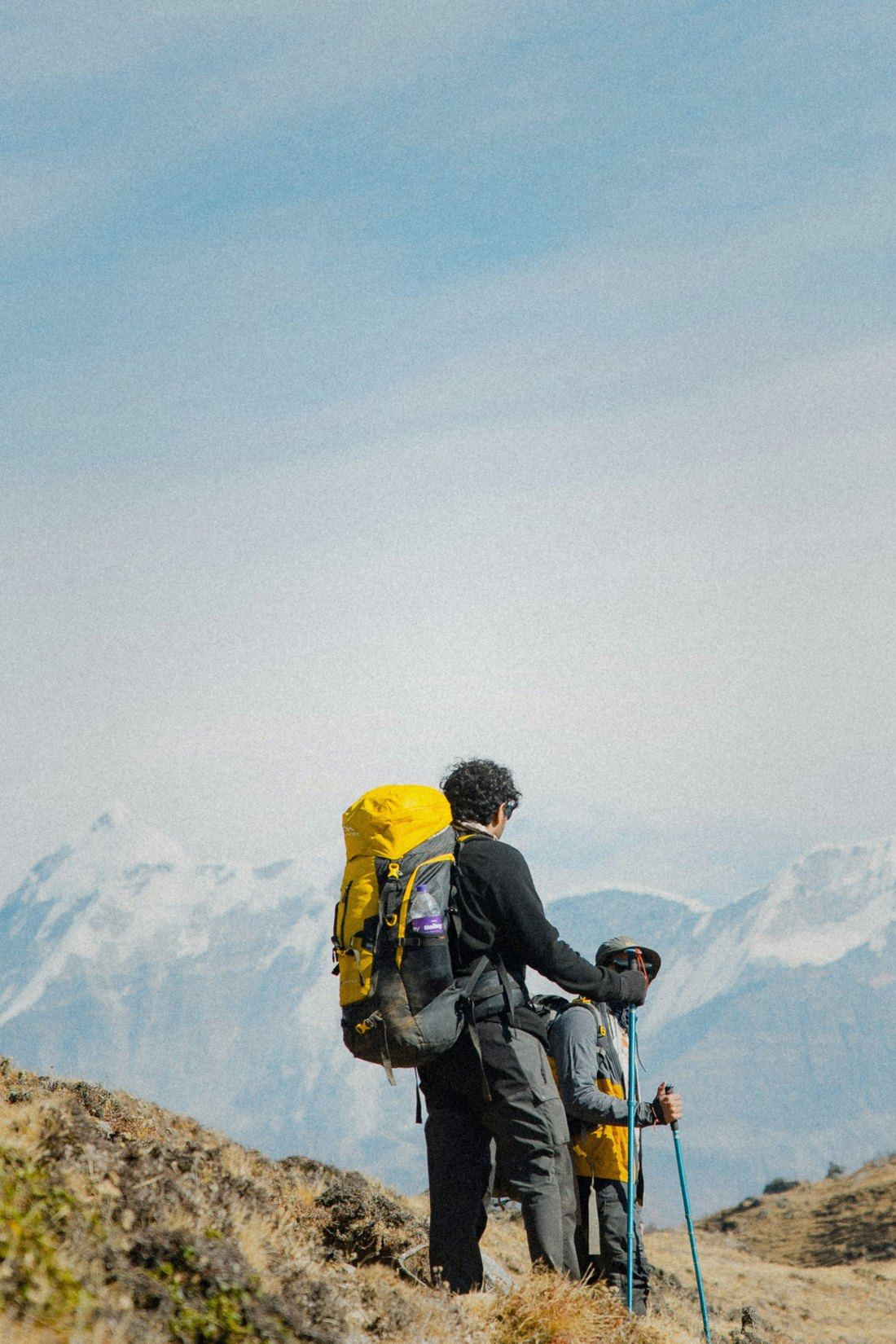
Two trekkers pausing on a ridge, snow peaks stretching behind them

The ultimate mind & body endeavour to the foot of Everest

Duration

15 days

Difficulty

Challenging

Group size

max 8

Price

2500 EUR

Everest Base Camp is what you came here for. What will stay with you is two weeks of trekking through the Himalayas, connecting with your inner self and sharing this journey with a small group of like‑minded humans.

You’ll be cold. You’ll be slow. Around 4,000 metres you’ll wonder whose idea this was. Then you’ll look up and see the Himalayan giants to your left and right, and whatever you were worrying about at sea level will have shrunk to the right size.

Itinerary

Elevation change

Depending on your origin location

Touch down at 1,324m and drive into Thamel, where the streets smell of incense and diesel in equal measure. Nothing is asked of you today except sleep.

0m

A full day to adjust. We go through boots, layers and sleeping bags together, then cover altitude, pace, and what happens when it gets hard. You meet the seven people you’ll be walking with.

+1286m

An early start, a long drive, then the short flight into Lukla — a runway carved sideways into the hillside. From there, three gentle hours down beside the Dudh Koshi.

+820m

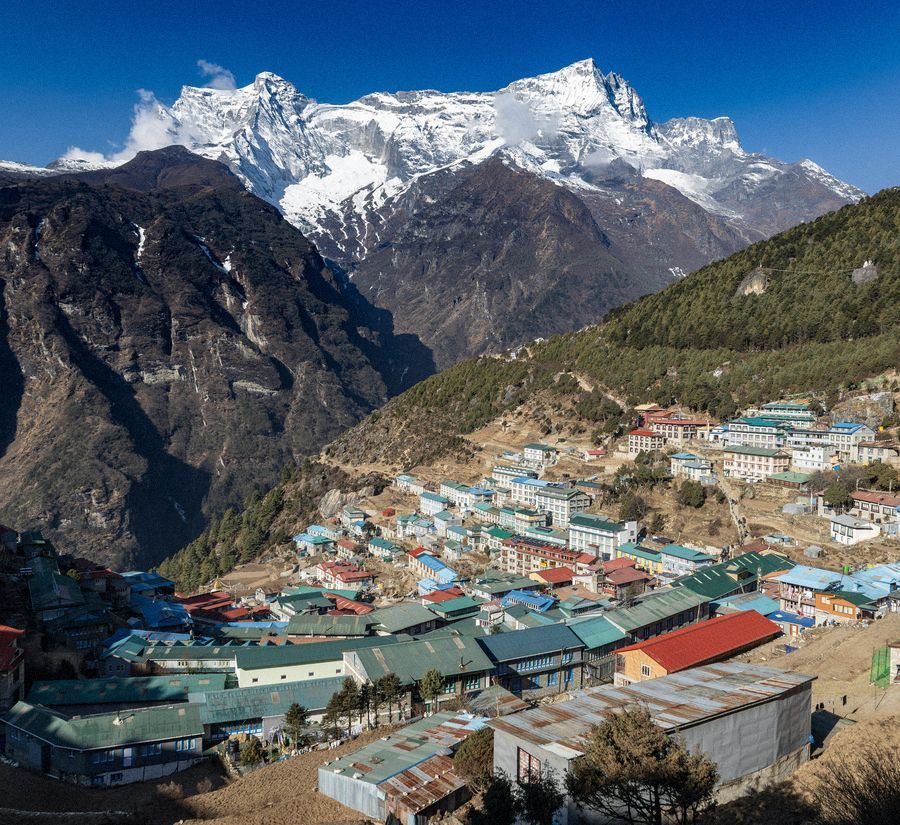
The day the trek shows its teeth. Suspension bridges strung with prayer flags, then a long climb through pine forest into Namche — the Sherpa capital, built in a horseshoe around the hillside.

0m

A rest day that isn’t restful. We climb high and sleep low, walking up for your first proper sight of Everest before dropping back down to let your blood catch up.

+360m

Out along the ridge with Ama Dablam ahead of you the whole way. We stop at Tengboche monastery for the afternoon prayers before dropping into Debuche.

+610m

Above the treeline now. Rock, scrub and stone-walled fields, with Dingboche sitting under Lhotse’s south face. This is where you start noticing the air.

0m

Second acclimatisation day. A hard climb up the Nangkartshang ridge for the view, then nothing at all — tea, cards, and letting the body do its work.

+500m

Past the memorials at Thukla Pass, where stone cairns mark climbers who didn’t come back. A quiet hour, and then on to Lobuche.

+454m

The day you came for. Along the moraine of the Khumbu glacier to Base Camp at 5,364m, then back to Gorak Shep to sleep. Long, cold, and worth every step.

-489m

Up in the dark for Kala Patthar and sunrise over Everest — the best view of the mountain you’ll get without climbing it. Then a long descent, and the first easy breath in days.

-931m

Downhill through everything you climbed. The air thickens, appetites come back, and Namche feels like a city after where you’ve been.

-600m

The last full day of walking. Back across the bridges to Lukla, where the trek ends the way it began — with a runway on a hillside and a beer that tastes better than it should.

-1516m

Fly out at first light, then the drive back into the city. Hot shower, clean clothes, and a last dinner with the crew.

The altitude leaves your body within a week. The rest of it takes longer.

A day in the life

6:00 am

Wake up & pack bags

6:30 am

Breakfast & fill water bottles

7:15 am

Mobility and mindset prep

7:45 am

Silent trekking for the first hour

9:00 am

Unstructured trekking

12:00 pm

Everyone meets at lunch spot

1:00 pm

Back on the trail

3:00 pm

Settling down at the tea house. Free time

5:00 pm

Briefing, journal, and group time

6:30 pm

Dinner

8:00 pm

Bed time

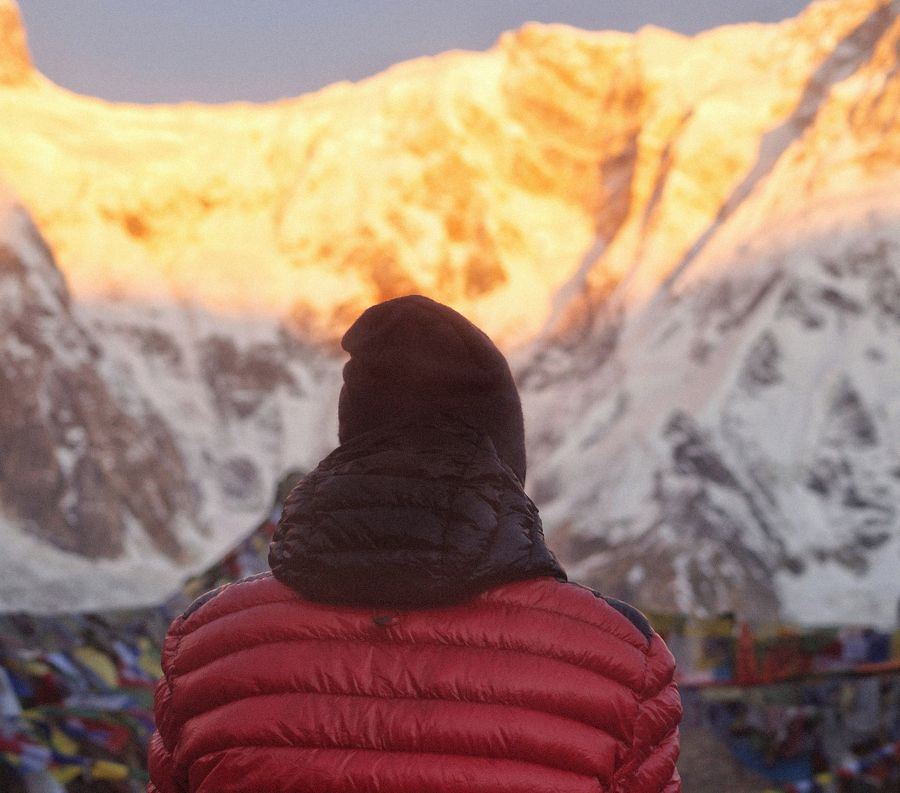
A figure in a red down jacket watching first light strike the summit
The village of Namche Bazaar spread across the hillside beneath snow peaks
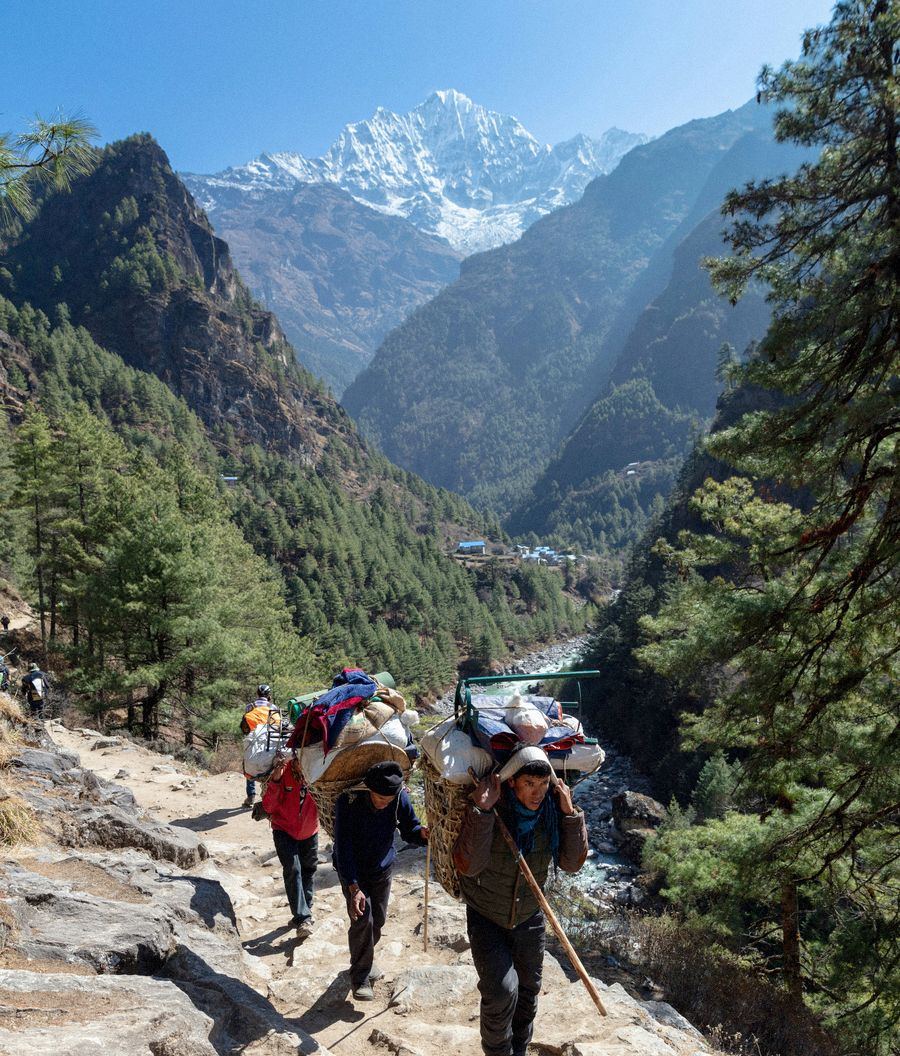
Porters carrying loaded baskets up a stone trail through the valley
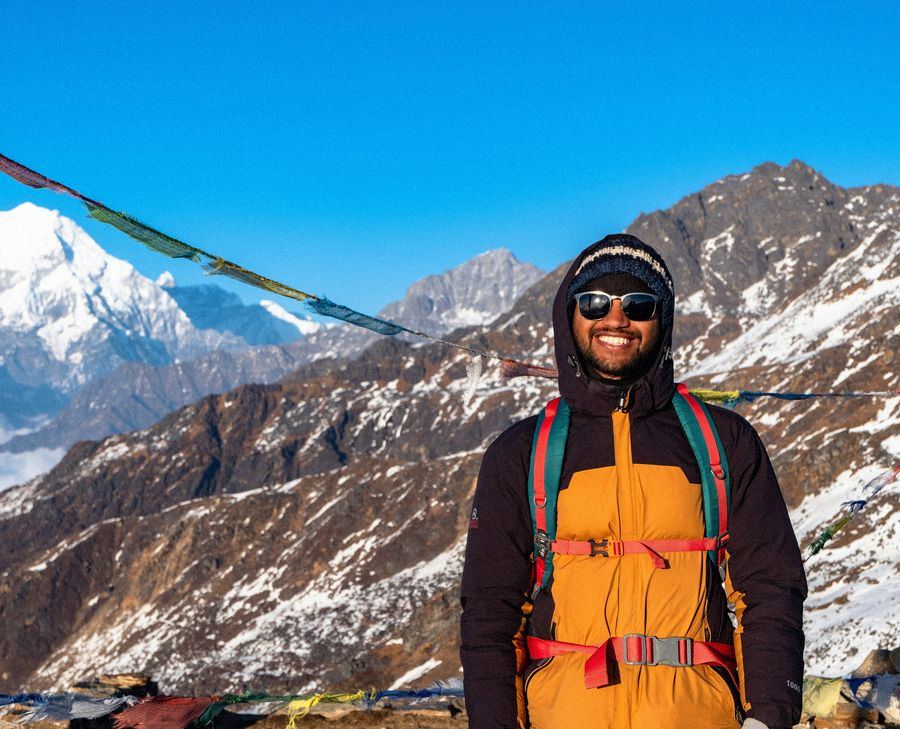
A trekker in an orange jacket smiling beneath strings of prayer flags
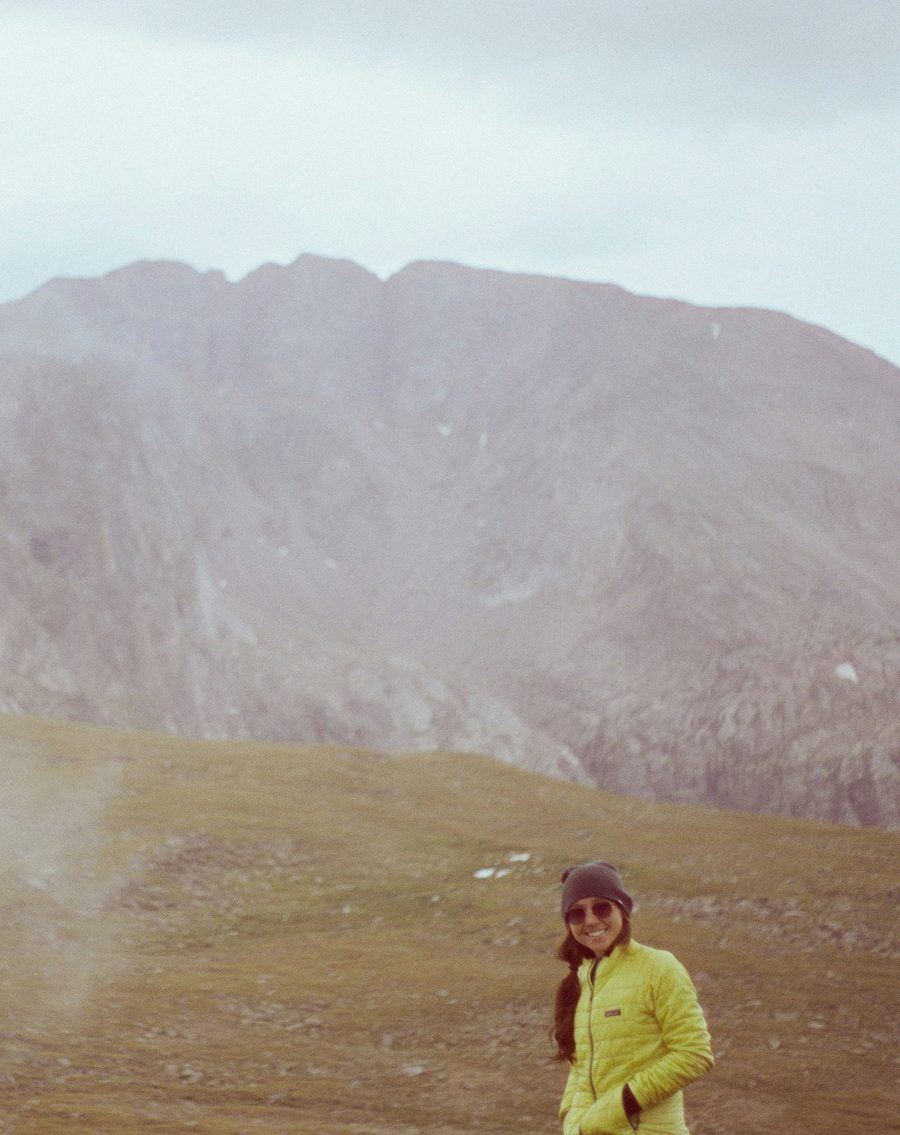
A trekker in a yellow jacket on a misty hillside below a ridge

What to expect

Before the trip

Gear list

A comprehensive list of essential items for the two weeks in the Himalayas.

Altitude education

Knowledge about acclimatisation strategies, and how to recognise altitude sickness symptoms.

Training plan

Suggested workouts and training schedule focused on endurance and strength to be trail ready.

Answers to your questions

“What do you mean there is no shower 8 days?” Wet wipes is your best friend.

Meet the group

Before the trip, we’ll get the group together, remote or in-person, so you can prepare for the expedition together.

During the trip

Christina as your crew lead

Your cheerleader, safety-net and reality checker.

Certified trekking guides and porters

Your support crew and extended family for the journey. 4:1 guide ratio. 2:1 porter ratio.

14 nights of accommodation

Hotel in Kathmandu and Himalayan tea houses on route to EBC.

All meals

Dinner on Day 1–2

Breakfast, lunch and dinner Day 3–14.

Breakfast on Day 15.

Dietary options are available upon request.

All domestic transport

Domestic flights to/from Lukla.

All ground transfer, including to/from Kathmandu airport on arrival & departure date.

All trekking permits

Sagarmatha National Park entry and TIMS permit

Medical & emergency protocol

Daily oxygen and pulse checks, a full first aid kit, and guides trained in wilderness first aid.

A clear evacuation plan, and the judgement to use it.

Humans & Giants essentials

Merch to trek in style.

Field journal and pen for the daily thoughts.

Disposable Kodak camera for the analogue memories.

Your to-do list

Your fitness & health

Solid fitness level

You are responsible to ensure you can sustain trekking up to 6 hours per day with persistent uphill and downhill, for 12 days.

Medical check-up

Speak with your doctor about high-altitude trekking. This trek is not recommended if you have pre-existing health conditions.

International travels

Flights to/from Nepal

Book a flight to Kathmandu Tribhuvan International Airport (KTM). Arrival time is flexible on Day 1.

Once you’re in Nepal, we got you.

Nepal visa

Nepal entry visa fee for 30 days can be obtained at the airport upon arrival. Check the conditions that apply to your passport with sufficient anticipation.

Travel insurance (Required)

Travel, medical and emergency high altitude helicopter rescue insurance (minimum coverage USD 15,000 and up to 5,545m altitude)

Gears & necessities

Trekking gear

See gear listcoming soon. Sleeping bag and down jackets available to rent in Kathmandu.

Altitude medication

Diamox (or similar) is commonly taken as a preventative. Please consult with a doctor beforehand. We will not be able to provide this.

Optional expenses

Tips for the guides & porters

Tips are customary and genuinely appreciated. You can ask us for guidance on appropriate amounts before departure.

Personal purchases

Food and drinks outside of the provided meals. Additional expenses such as laundry, WiFi, or shower in tea houses.

FAQ

No technical climbing experience is needed. If you’re active, curious and willing to train for a few months beforehand, you’ll be fine — and most of the group will be in exactly the same position.

You don’t need to be an athlete, but you do need to be consistent. We send a training plan when you book, and following it matters far more than where you’re starting from.

A full gear list comes to you once you’re booked: warm layers, waterproofs, broken-in boots, poles. Sleeping bags and down jackets can be hired in Kathmandu if you’d rather not buy them.

The route is built around acclimatisation, with rest days at Namche and Dingboche and a climb-high, sleep-low pattern throughout. Before you fly, speak to your doctor about Diamox and read the altitude briefing we send you.

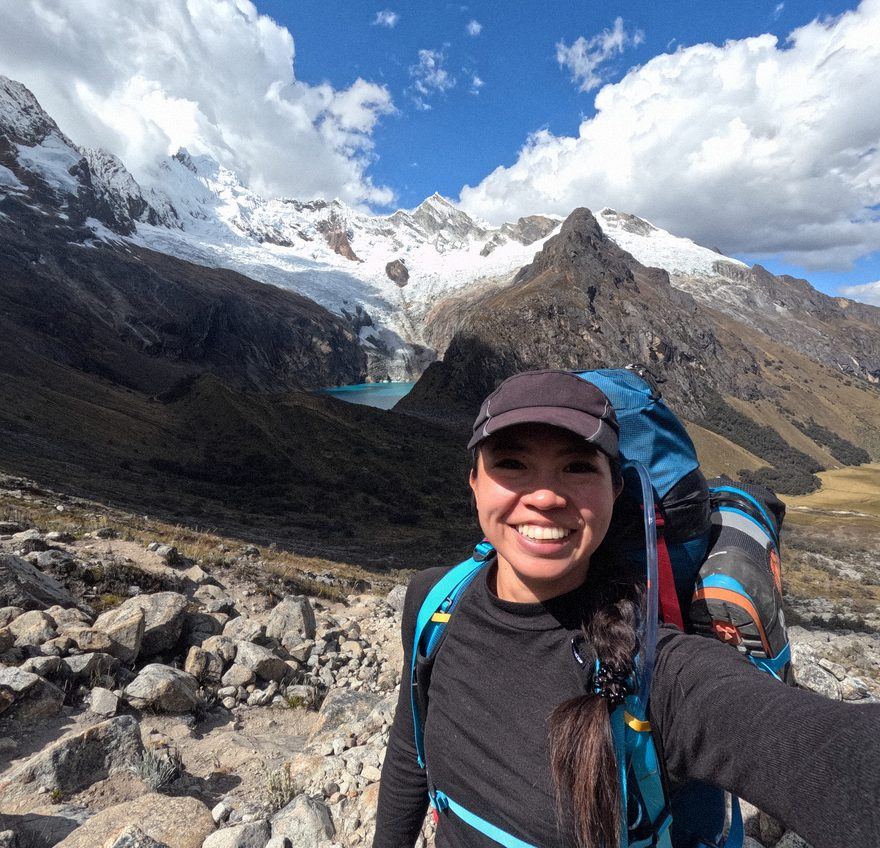
Christina on the trail, glacier and turquoise lake behind her

The H&G founder

Hello! I’m Christina. My trek to Everest Base Camp was where this all started. Years later, with Mont Blanc, Yanapaccha and Alpamayo behind me, the high-altitude nature continues to amaze and flip my perspective on life and myself, every. single. time. And I want to show you what that’s like.

I’m an endurance athlete, mountaineer and I’ve coached people through their first 10k, half and full marathon. I know the difference between pushing someone and breaking them, and I’ve had enough altitude sickness of my own (yay) to spot it in someone else before they do.

Alongside me is a Sherpa-founded ground team who has spent their lives in the Himalayas. They’re the people who know its weather, its routes and its rhythms better than anyone. Between us, you’re in pretty good hands.

Everest Base Camp  |  March 27 – April 10, 2027

2500€ per person

I’m in!

Tell us where to find you, will get in touch!

How should we reach you?